How Dr Laith Barnouti Creates Personalised Treatment Plans
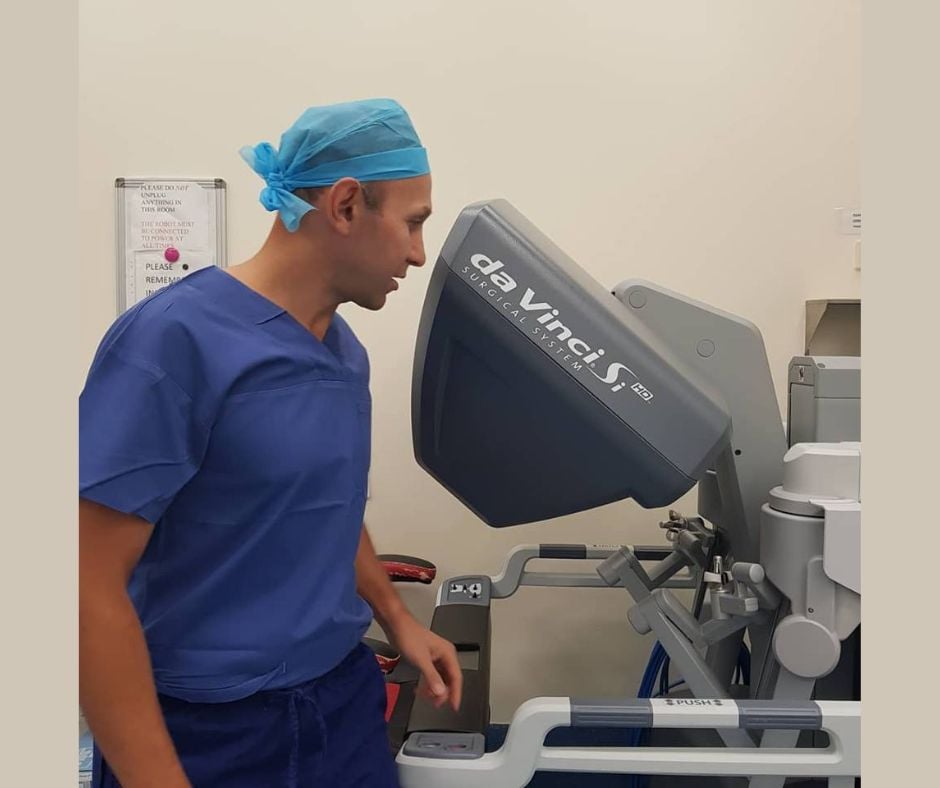
Dr Laith Barnouti, Specialist Plastic and Reconstructive Surgeon and Founder of Sydney Plastic Surgery, believes that every patient deserves a treatment plan designed around their unique goals, anatomy, and circumstances. Rather than applying the same approach to every case, Dr Laith Barnouti takes time to understand the person behind the procedure.
This focus on personalised planning helps patients make informed decisions and creates a clear path from consultation to recovery.
Every Patient Starts With A Different Goal
No two patients arrive at a consultation with exactly the same concerns. One person may seek rhinoplasty to improve facial balance. Another may want a tummy tuck after significant weight loss. Someone else may be considering a facelift to address visible signs of ageing.
Even when patients request the same procedure, their goals can be very different.
For example, two rhinoplasty patients may have completely different expectations. One patient may wish to reduce a bump on the bridge of the nose. Another may want to improve breathing while refining the overall shape of the nose. These differences require different surgical plans.
Dr Laith Barnouti begins by listening carefully to what patients hope to achieve. This conversation helps him understand their concerns, motivations, and expectations before discussing treatment options.
The Consultation Process Matters
A consultation is more than a discussion about surgery.
Dr Laith Barnouti uses consultations to gather information that helps shape the treatment plan. Patients have the opportunity to discuss their concerns openly and ask questions about the procedure, recovery, and expected outcomes.
Medical history also plays an important role. Existing health conditions, previous surgeries, medications, and lifestyle factors can all influence treatment recommendations.
This detailed assessment allows Dr Laith Barnouti to create a plan that reflects the patient's individual situation rather than relying on a standard approach.
Patients often say they feel more confident after receiving clear explanations about their options. Understanding the process helps reduce uncertainty and allows patients to make decisions based on accurate information.
Understanding Facial And Body Proportions
A key part of personalised treatment planning involves evaluating how different features work together.
In facial surgery, Dr Laith Barnouti assesses the relationship between the nose, chin, cheeks, jawline, and other facial structures. Small changes in one area can affect overall balance.
For example, during rhinoplasty planning, the goal is not simply to change the nose. The goal is to create harmony between the nose and surrounding facial features. The same principle applies to body procedures.
When planning a tummy tuck, Dr Laith Barnouti considers body shape, skin quality, muscle separation, and the patient's overall goals. The treatment plan aims to improve abdominal contour while maintaining proportions that look natural.
This attention to detail helps create results that complement the patient's existing features.
Setting Realistic Expectations
One of the most valuable parts of a consultation involves discussing realistic expectations.
Many patients arrive with photos from social media or images they have found online. These examples may help explain preferences, but they do not always reflect what is possible for every individual.
Dr Laith Barnouti believes honest communication is essential. He explains what surgery can achieve and where limitations may exist.
This conversation helps patients develop a realistic understanding of potential outcomes.
Patients who understand the possibilities and limitations of surgery often feel more comfortable throughout the process. They know what to expect and can make decisions with greater confidence.
Personalised Planning For Different Procedures
Each procedure requires a unique planning process.
For facelift surgery, Dr Laith Barnouti evaluates skin quality, facial volume, tissue position, and signs of ageing. These factors help determine the most appropriate approach for the individual patient.
For breast surgery, planning involves assessing body proportions, chest shape, skin characteristics, and patient goals. Treatment recommendations vary depending on what the patient hopes to achieve.
For reconstructive surgery, planning often focuses on restoring both function and appearance. Patients recovering from trauma, skin cancer treatment, or previous surgical complications may require a staged approach that addresses multiple concerns over time.
By tailoring treatment recommendations to each patient, Dr Laith Barnouti can develop plans that reflect individual needs rather than applying the same solution to every situation.
Patient Education Plays A Major Role
Many patients spend weeks or months researching procedures before booking a consultation.
Even after conducting research, they often have questions about recovery, healing, risks, and long-term outcomes.
Dr Laith Barnouti believes patient education should be part of every treatment plan.
He takes time to explain procedures in straightforward language so patients understand each stage of the journey. This includes preparation, surgery, recovery, follow-up appointments, and expected healing timelines.
Patients who understand the process often feel more prepared for surgery and recovery.
Education also helps patients take an active role in their care. Instead of simply receiving instructions, they gain a better understanding of why those instructions matter.
Recovery Planning Is Part Of The Treatment Plan
A personalised treatment plan does not end when surgery is completed.
Recovery plays an important role in achieving the desired outcome.
Dr Laith Barnouti provides guidance tailored to each patient's procedure and circumstances. Recovery instructions may include information about activity restrictions, wound care, follow-up appointments, and healing milestones.
Some patients may return to daily activities relatively quickly, while others require a longer recovery period. These differences depend on the procedure performed and individual healing factors.
By preparing patients for the recovery process in advance, Dr Laith Barnouti helps them understand what to expect during each stage of healing.
A Patient First Approach
Personalised treatment planning reflects a simple philosophy: every patient is different.
Dr Laith Barnouti believes successful plastic and reconstructive surgery begins with understanding the individual. By listening carefully, conducting detailed assessments, educating patients, and creating tailored recommendations, he helps patients move forward with confidence.
Whether someone is considering rhinoplasty, facelift surgery, tummy tuck surgery, breast surgery, or reconstructive treatment, the planning process remains focused on their specific needs and goals.
This patient-first approach continues to guide the care Dr Laith Barnouti provides, helping patients make informed decisions and pursue outcomes that suit their unique circumstances.
