Dr Laith Barnouti Shares Professional Insights on Cosmetic and Reconstructive Surgery
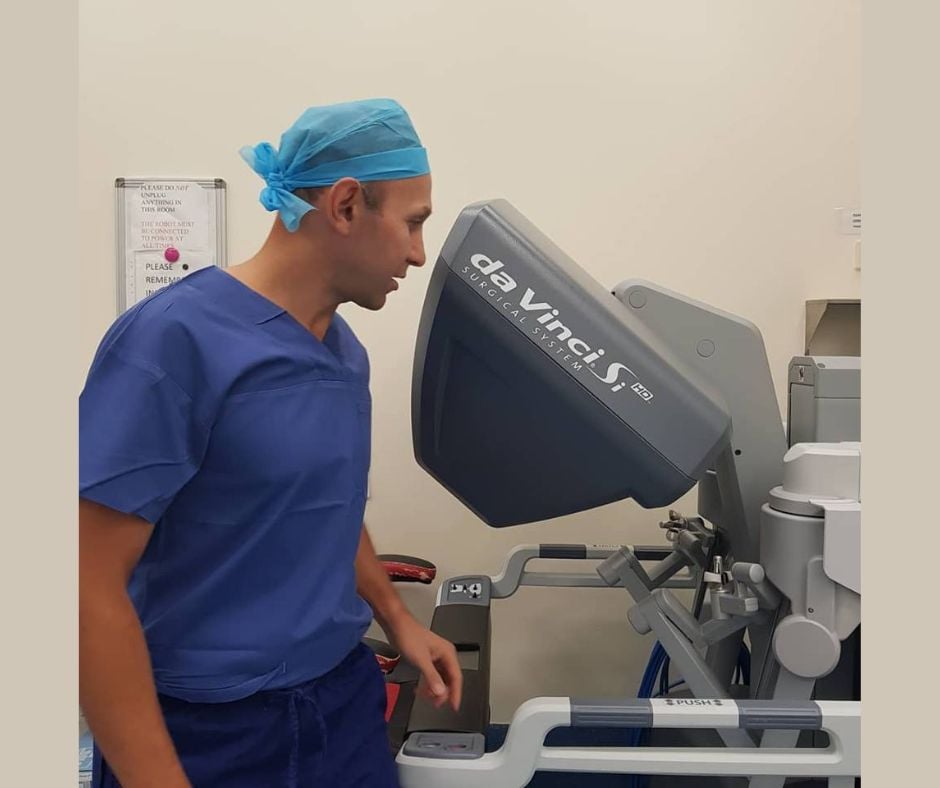
Cosmetic and reconstructive surgery can improve both appearance and quality of life. While these fields share many techniques, they often serve different needs. Cosmetic surgery focuses on improving appearance by choice. Reconstructive surgery helps restore form and function after injury, illness, or a medical condition. Dr Laith Barnouti believes that every patient deserves clear information before making any decision. When you understand your options, you can choose a treatment that fits your goals and your health.
One of the first things you should know is that every patient has a different reason for seeking surgery. A person may want a rhinoplasty because they have never felt comfortable with the shape of their nose. Another person may need reconstructive surgery after skin cancer treatment. Someone else may choose breast surgery after pregnancy, while another patient may require breast reconstruction after a mastectomy. The treatment plan should always match the individual, not the procedure.
Every Treatment Begins With a Personal Consultation
Dr Laith Barnouti believes that the consultation is one of the most valuable parts of the process. During this meeting, you should have enough time to ask questions, explain your concerns, and discuss your expectations. A good consultation is not about rushing toward surgery. It is about understanding your medical history, your lifestyle, and the result you hope to achieve. This discussion helps build a treatment plan that suits your needs.
Clear communication also reduces confusion. If you expect a dramatic change but the procedure can only provide a modest improvement, you deserve an honest explanation before moving forward. Open conversations help you make informed decisions and avoid disappointment later.
Careful Planning Supports Better Results
Planning plays a major role in every operation. Before surgery begins, many details must be reviewed. Your overall health, skin quality, body structure, and medical history all affect the surgical plan. These factors help determine which technique may provide the best result. Careful planning also helps reduce unexpected issues during surgery and recovery.
Take a tummy tuck as an example. Two patients may have loose skin after weight loss, yet each person may need a different surgical approach. One patient may require muscle repair, while another may benefit from skin removal alone. Looking at each patient as an individual often leads to better outcomes.
Natural-looking results remain a common goal for many patients. Dr Laith Barnouti explains that successful surgery should suit your body rather than draw attention to the procedure itself. Small changes can make a noticeable difference while still preserving your natural features. The aim is not to make you look like someone else. The aim is to help you look like the best version of yourself.
Recovery Is Part of the Surgical Journey
Modern surgical techniques have improved many procedures. Better planning, refined methods, and careful surgical steps have helped improve patient care. Recovery plans have also become more structured. Patients receive clear guidance on caring for their wounds, managing swelling, returning to daily activities, and attending follow-up appointments. These steps support healing and help patients stay on track throughout recovery.
Recovery deserves as much attention as the operation itself. You play an active role during this stage. Following instructions, attending scheduled appointments, and allowing your body enough time to heal all contribute to your final result. Many people focus only on surgery day, but healing continues for weeks and sometimes months after the procedure.
Patience also matters. Swelling often takes time to settle. Scars continue to mature long after surgery. Your final result may not appear immediately. Understanding this timeline helps you maintain realistic expectations throughout recovery.
Cosmetic and Reconstructive Surgery Often Work Together
Cosmetic surgery and reconstructive surgery often overlap in practice. A patient who undergoes reconstructive surgery may also benefit from cosmetic techniques to improve appearance. A person who has cosmetic surgery also benefits from reconstructive principles that support healing and restore tissue carefully. This combination allows surgeons to focus on both function and appearance during treatment.
Dr Laith Barnouti has treated patients with many different goals over more than two decades of practice. Some people seek facial procedures to refresh their appearance. Others want body contouring after major weight loss. Some require reconstructive surgery after trauma or skin cancer removal. Every case requires careful assessment instead of following the same plan for every patient.
Building Confidence Through Knowledge
Technology also supports modern surgical care. High-quality imaging, careful measurements, and detailed planning help guide treatment decisions. These tools provide useful information during consultations and allow patients to understand their options more clearly. Technology supports decision making, while experience and clinical judgement remain central to every procedure.
Trust forms an important part of the relationship between you and your surgeon. You should feel comfortable discussing your concerns without pressure. You should receive clear answers instead of confusing medical language. This open approach helps you understand both the expected benefits and the limits of surgery.
Your health also extends beyond the operating room. Good nutrition, regular movement, avoiding smoking, and following medical advice all support recovery. These habits often influence healing and your overall experience after surgery.
Dr Laith Barnouti encourages patients to spend time learning about their procedure before making a decision. Reading reliable information, preparing questions for your consultation, and understanding the recovery process all help you feel more confident. Knowledge allows you to take an active role in your own care instead of relying on assumptions.
Cosmetic and reconstructive surgery continue to help many people improve both appearance and function. The best outcomes begin with honest conversations, careful planning, realistic goals, and treatment designed for the individual. Dr Laith Barnouti believes that when these elements come together, patients can move forward with greater confidence and a clear understanding of their surgical journey.