Dr Laith Barnouti Shares Guidance on Cosmetic and Reconstructive Surgery
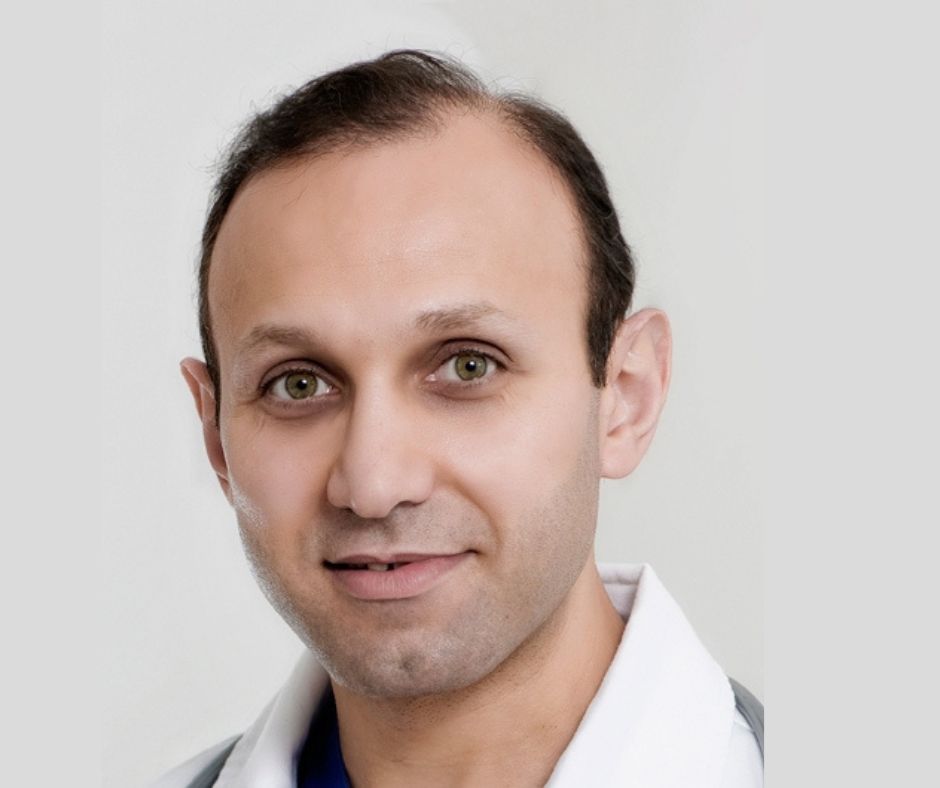
Choosing cosmetic or reconstructive surgery requires careful thought, clear goals, and a good understanding of your options. Dr Laith Barnouti has more than 20 years of experience in cosmetic and reconstructive surgery and focuses on patient safety, honest advice, personalised care, and natural-looking results. His approach starts with understanding each patient's concerns before developing a treatment plan.
Understanding Cosmetic and Reconstructive Surgery
Cosmetic surgery focuses mainly on changing or improving a person's appearance. Reconstructive surgery aims to restore appearance and function after injury, illness, congenital conditions, or previous surgery.
Both types of surgery require careful assessment. Your surgeon needs to understand your medical history, physical features, personal goals, and expectations before recommending a procedure.
For example, you may seek breast augmentation because you want to improve breast volume or shape. Another patient may require reconstructive surgery after an injury. Although their goals differ, both patients need an individual treatment plan.
Start With Clear Goals
Before choosing surgery, think about what you want to change and why. Clear goals can help you communicate your concerns during your consultation.
You may want to improve the shape of your nose through rhinoplasty, address loose abdominal skin with a tummy tuck, or improve facial changes through facelift surgery. You may also want to restore body shape through body contouring.
Dr Laith Barnouti takes time to understand these goals before discussing treatment. This gives you the opportunity to explain what concerns you most and what type of result you hope to achieve.
Choose a Procedure That Suits You
There is no single procedure that suits every patient. Your anatomy, medical history, lifestyle, and goals can all affect the recommended treatment.
Breast surgery may involve implants, reshaping, or other surgical techniques. Rhinoplasty may focus on changing nasal proportions while keeping the nose suitable for the rest of your face. A tummy tuck may address excess abdominal skin and improve the shape of the abdominal area.
During your consultation, your surgeon should explain why a particular procedure may suit your needs. You should also have the opportunity to discuss other options.
Careful Planning Before Surgery
Good preparation starts well before your procedure. A detailed consultation allows your surgeon to assess your needs and develop a suitable surgical plan.
Your consultation may include a review of your medical history, physical examination, discussion of your goals, and an explanation of the proposed procedure. You should also receive information about recovery and follow-up care.
Ask practical questions about how long you may need to take off work, when you can return to exercise, and what support you may need during recovery.
Dr Laith Barnouti places careful planning at the centre of his approach. This helps create a treatment plan based on the individual rather than using the same approach for every patient.
Focus on Balanced Results
Many patients want results that look natural and suit their existing features. A good surgical plan should take your overall appearance into account rather than focusing only on one area.
For example, rhinoplasty involves more than changing the nose. Facial proportions also play a role in the final appearance. Breast surgery involves more than increasing volume because shape, size, and body proportions can affect the result.
Facelift surgery also requires attention to facial structure and individual features. The goal may be to address specific signs of ageing while maintaining your natural appearance.
Discussing your preferred outcome openly with your surgeon can help establish realistic expectations before surgery.
Put Patient Safety First
Patient safety should remain a key part of every surgical decision. Your surgeon needs to understand your medical history and identify factors that may affect surgery or recovery.
Honest communication also matters. You may arrive at a consultation with a particular procedure in mind, but another approach may better suit your goals.
Dr Laith Barnouti places patient safety and honest advice at the centre of his consultations. This allows patients to make decisions based on clear information about their treatment options.
Understanding Your Recovery
Recovery forms an important part of your surgical journey. Before your procedure, you should understand what the recovery period may involve.
Your surgeon can explain expected swelling, discomfort, activity restrictions, wound care, and follow-up appointments. Recovery times vary between procedures and patients, so your surgeon should provide guidance based on your specific treatment.
Planning ahead can also make recovery easier. You may need to arrange time away from work, organise help at home, and adjust your normal activities for a period after surgery.
Cosmetic and Reconstructive Surgery Require Different Approaches
Cosmetic and reconstructive procedures can have different purposes. Cosmetic surgery may address concerns about appearance, while reconstructive surgery may restore an area affected by injury, illness, or another medical condition.
Dr Laith Barnouti has experience across both areas of plastic surgery. His work includes breast augmentation, rhinoplasty, facelift surgery, tummy tuck, and body contouring, as well as reconstructive procedures.
Understanding the purpose of your surgery helps your surgeon develop a treatment plan that addresses your individual needs.
Prepare for Your Consultation
You can make your consultation more productive by preparing questions in advance. Write down the concerns you want to discuss and explain what you hope to achieve.
You may want to ask about the recommended procedure, other available treatment options, the expected recovery period, changes to your daily activities, follow-up appointments, and factors that may affect your results.
You should also provide accurate information about your medical history and previous procedures. Open communication helps your surgeon make better decisions about your care.
The Value of Experience and Personalised Care
Dr Laith Barnouti has more than 20 years of experience in cosmetic and reconstructive surgery. After completing his medical training, he moved to Australia and undertook specialist training in plastic and reconstructive surgery across leading hospitals.
He later founded Sydney Plastic Surgery and continues to provide personalised care to patients across Sydney. His experience covers a broad range of cosmetic and reconstructive procedures.
For patients, experience becomes most useful when combined with careful assessment and clear communication. A thorough consultation gives you the opportunity to understand your choices before making a decision.
Making an Informed Decision
Choosing cosmetic or reconstructive surgery should involve more than selecting a procedure. You should understand your goals, treatment options, expected recovery, and the approach recommended for your individual needs.
Dr Laith Barnouti's patient-focused approach places safety, honest advice, careful planning, and balanced results at the centre of surgical care. Whether you are considering breast augmentation, rhinoplasty, facelift surgery, tummy tuck, body contouring, or reconstructive treatment, a detailed consultation can help you make a decision based on clear information and realistic expectations.