Dr Laith Barnouti Discusses How Surgeons Assess Patient Expectations
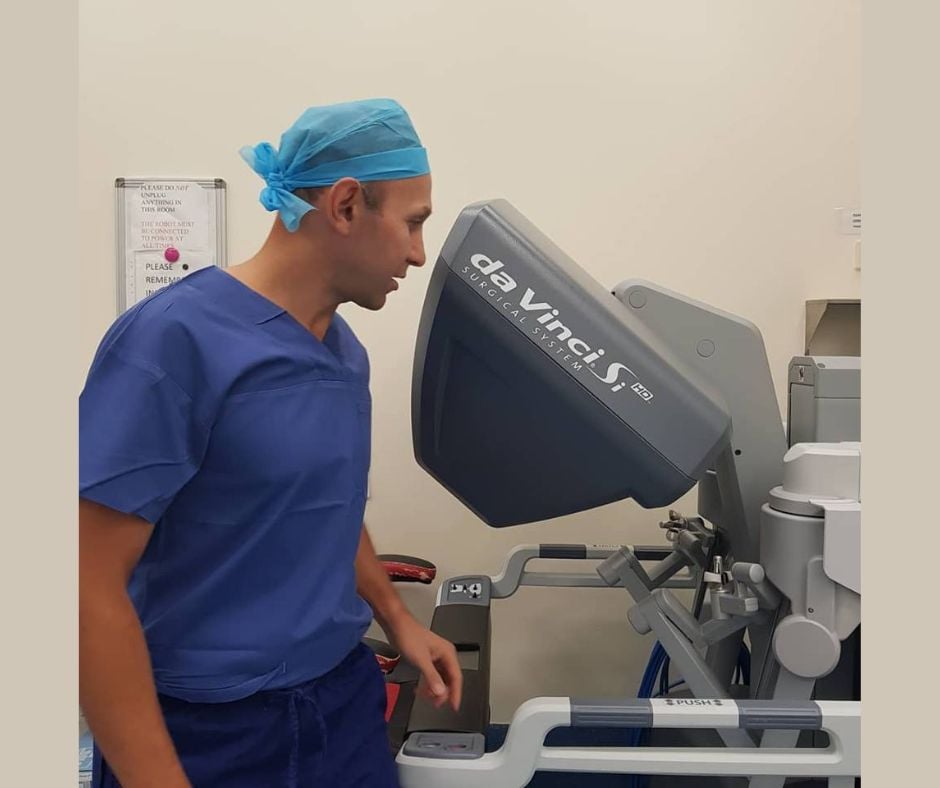
Choosing plastic surgery involves more than deciding which procedure you want. A good surgical consultation also explores what you expect from treatment, why you want it, and what type of result you hope to achieve. Dr Laith Barnouti explains that understanding patient expectations forms an important part of the consultation process. When you and your surgeon have a clear understanding of your goals, you can make better decisions about whether surgery suits your needs.
Every patient approaches cosmetic or reconstructive surgery for different reasons. You may want to change a feature that has bothered you for years. You may want to restore your body after pregnancy or weight loss. You may also want to address changes that come with ageing. Your reason for seeking treatment helps your surgeon understand what matters to you. Dr Laith Barnouti takes time to understand these personal reasons before discussing possible treatment options.
Understanding Why You Want Surgery
The first step involves discussing your reasons for considering surgery. Your surgeon may ask what you would like to change and how that concern affects you.
For example, someone considering rhinoplasty may want a smaller nose. During a consultation, the discussion may reveal that the patient is more concerned about a prominent bump or the balance between the nose and other facial features. These details can change the way the surgeon approaches the procedure.
The same applies to breast surgery. You may ask for a particular implant size because you have seen a result you like. Your surgeon may ask about your lifestyle, body shape, current breast size, and desired appearance. This discussion helps move the conversation away from a single measurement and toward a result that suits your body.
Dr Laith Barnouti believes that patients should have the opportunity to explain their goals in their own words. Your expectations give the surgeon useful information before any treatment plan takes shape.
Looking at What Is Surgically Possible
Your expectations also need to match what surgery can realistically achieve. A surgeon assesses your anatomy and compares it with your goals during the consultation.
Your skin quality, tissue structure, body proportions, facial features, previous surgery, and general physical condition can affect the outcome. These factors may limit or change the options available to you.
For example, a patient may want a very tight abdomen after significant weight loss. A tummy tuck can remove excess skin and improve abdominal contour, but the final result depends on factors such as skin quality, muscle condition, and the amount of tissue that needs removal.
A similar process applies to facelift surgery. You may want to look younger, but your surgeon will assess skin laxity, facial structure, tissue position, and other factors before discussing suitable techniques.
Dr Laith Barnouti considers these factors when discussing treatment with patients. His approach focuses on understanding the individual rather than applying the same plan to everyone.
Discussing Your Desired Result
Clear communication can make your consultation more useful. Instead of simply saying you want to look better, try to explain what you want to change.
You might tell your surgeon that you want your nose to look more balanced with your face. You might explain that you want your breasts to look fuller while still appearing natural. You may want your abdomen to look firmer after pregnancy without aiming for a dramatic change.
Specific information gives your surgeon a better understanding of your expectations.
Photos can also help during a consultation, but they should support the conversation rather than define the expected result. A photograph shows the appearance you like, but it does not show whether your anatomy can produce the same outcome. Your surgeon needs to assess your individual features before discussing what may be achievable.
Dr Laith Barnouti encourages patients to communicate openly about the appearance they hope to achieve. This gives both the patient and surgeon a clearer starting point for discussing treatment.
Assessing Whether Your Expectations Are Realistic
A responsible surgeon does not simply agree with every request. The consultation should include an honest discussion about what surgery can and cannot do.
Some patients may expect surgery to solve concerns that extend beyond a physical feature. Others may expect a procedure to produce an exact result they have seen online. A surgeon needs to explore these expectations carefully.
For example, two people may bring the same photograph of a celebrity to a rhinoplasty consultation. Their facial structures may differ significantly. Their skin, bone structure, proportions, and nasal anatomy may also differ. The surgeon must explain that the goal should focus on creating a suitable result for the individual rather than copying another person's appearance.
Dr Laith Barnouti places value on honest advice because clear communication can help patients make informed choices. He also focuses on explaining what a procedure can reasonably achieve based on each patient's individual features.
Considering Your Lifestyle and Priorities
Your lifestyle can also affect the discussion about expectations. A surgeon may ask about your work, exercise routine, family responsibilities, and recovery preferences.
Suppose you are considering body contouring but have a physically demanding job. Your recovery period may affect when you choose to have surgery. If you exercise regularly, you may also want to understand when you can safely return to your normal routine.
These practical details form part of the treatment discussion. Surgery does not take place separately from your everyday life. Your expectations should include both the result you want and the recovery process you are prepared to manage.
Dr Laith Barnouti discusses these practical factors with patients so they can understand how a procedure may fit into their daily routine. This can help you plan your treatment and recovery with greater clarity.
Reviewing Your Medical and Surgical History
Previous procedures can influence your options. During a consultation, your surgeon will review relevant medical information and previous surgeries to understand your individual circumstances.
A patient seeking revision breast surgery, for example, may require a different assessment from someone having breast surgery for the first time. Previous implants, scars, changes in breast tissue, and earlier surgical results can all affect the treatment plan.
Rhinoplasty can also become more complex when a patient has undergone previous nasal surgery. Your surgeon needs to understand what changed during earlier procedures before discussing another operation.
Sharing accurate information during your consultation helps your surgeon assess your situation properly. Dr Laith Barnouti reviews each patient's background alongside their current concerns when discussing possible surgical approaches.
Understanding the Difference Between Goals and Expectations
Your goal describes what you want to change. Your expectation describes what you believe surgery will achieve. These two things may not always match.
You may have the goal of improving abdominal contour. Your expectation may be that surgery will create a completely flat stomach regardless of your body structure. A consultation gives your surgeon the opportunity to explain the difference.
This conversation can help you adjust your expectations before making a decision. You may still choose surgery, but you will have a clearer understanding of the likely outcome.
Dr Laith Barnouti believes that patients benefit when they understand this difference before proceeding. A clear discussion can help you develop realistic expectations while keeping your personal goals at the centre of the consultation.
Asking Questions Before Making a Decision
A consultation should give you enough information to make a considered decision. Ask questions about the procedure, recovery, possible risks, expected changes, and available alternatives.
You can also ask how your surgeon would approach your specific goals and why a particular technique may suit you. If you do not understand something, ask for a simpler explanation.
For example, if you are considering a facelift, you can ask what areas the procedure will address and what changes you can reasonably expect. If you are considering breast augmentation, you can ask how implant choice may affect your appearance and recovery.
Good questions help turn a general interest in surgery into a clearer treatment discussion.
Building a Treatment Plan Around the Patient
Patient expectations should form part of a wider assessment. Dr Laith Barnouti combines the patient's goals with clinical assessment, surgical experience, and careful planning when discussing cosmetic and reconstructive procedures.
The aim is not to promise a particular appearance. The aim is to understand what you want, assess what surgery can achieve, and create a plan that suits your individual needs.
For you as a patient, this means entering a consultation prepared to have an open conversation. Explain what concerns you, describe the result you hope to achieve, share relevant medical information, and ask direct questions.
A useful consultation should leave you with a clearer understanding of your options. You should know what the proposed procedure aims to change, what type of result may be possible, and what the recovery process involves.
Assessing patient expectations is not a single question asked at the start of a consultation. It is an ongoing conversation that connects your goals with your individual anatomy, lifestyle, and treatment options. When both patient and surgeon communicate clearly, the discussion can become more focused and help support informed decisions about cosmetic or reconstructive surgery.
With more than 20 years of experience in cosmetic and reconstructive surgery, Dr Laith Barnouti continues to focus on personalised care and clear patient communication. His approach gives patients the opportunity to understand their options, discuss their goals, and develop realistic expectations before making decisions about treatment.